Unlocking the Power of Foundation Models: A New Era in AI

The advent of foundation models marks a significant turning point in artificial intelligence, reshaping how we understand and deploy machine learning technologies. Foundation models, trained on vast datasets, serve as a platform for a myriad of applications — from natural language processing to computer vision. Their versatility and breadth of training allow them to adapt to new tasks with minimal fine-tuning, making them invaluable in today’s fast-evolving digital landscape.

As we delve deeper into the realm of foundation models, it’s essential to equip ourselves with comprehensive resources. This blog post highlights key books that not only explain the theoretical underpinnings of foundation models but also offer practical guidance on their implementation in real-world scenarios. Whether you’re a researcher, practitioner, or an enthusiast, these reads will enhance your understanding and inspire innovation in using foundation models.

Time Series Forecasting Using Foundation Models

In ‘Time Series Forecasting Using Foundation Models’, the author introduces a groundbreaking approach to forecasting that harnesses the advanced capabilities of foundation models. This book is particularly valuable for data scientists and analysts focused on time series data, as it bridges the gap between theory and practical application. The author meticulously breaks down complex concepts, ensuring readers can implement these models effectively in real-world scenarios. Moreover, it showcases case studies that illustrate the drastic improvements in forecasting accuracy achieved by using these cutting-edge models. This guide is a must-read for anyone looking to enhance their forecasting skills.

Introduction to Foundation Models

‘Introduction to Foundation Models’ serves as an enlightening primer on the concept of foundation models, making it an excellent choice for practitioners and researchers alike. The author provides a thorough overview of the architecture and training of these models, touching upon their applications in various domains. This book excels in its clarity, with straightforward explanations that make complex ideas more digestible. It also emphasizes ethical considerations and the future trajectory of AI, which are crucial for responsible development. Ideal for beginners, it’s an essential starting point for anyone wanting to dive into the world of foundation models.

AI Engineering: Building Applications with Foundation Models
‘AI Engineering: Building Applications with Foundation Models’ is a practical guide that takes readers through the hands-on process of developing applications using foundation models. The author skillfully combines theoretical foundations with practical coding examples, appealing to software engineers and developers who wish to integrate AI into their projects. Each chapter focuses on real-world applications, ensuring that this book remains relevant and applicable. What sets it apart is the clear breakdown of challenges faced during implementation and how to overcome them, making it a treasure trove of insights. This resource is invaluable for those looking to leverage AI in their engineering workflows.

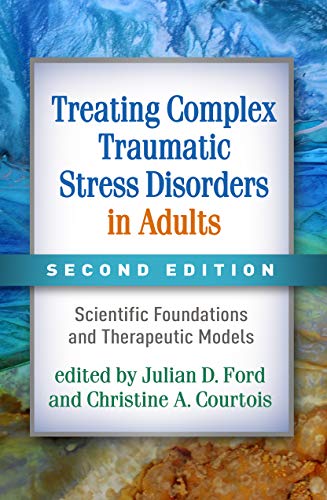
Treating Complex Traumatic Stress Disorders in Adults: Scientific Foundations and Therapeutic Models
‘Treating Complex Traumatic Stress Disorders in Adults’ goes beyond typical mental health texts; while it provides important insights, it’s less focused on foundation models and more on therapeutic approaches. However, the rich discussions on therapeutic models serve as a foundation to understand how complex human behavior parallels certain AI methodologies. Readers interested in psychology will find value here, but it may not directly cater to those specifically seeking insights about foundation models. Overall, while valuable in its own right, it diverges from the theme of foundational AI.

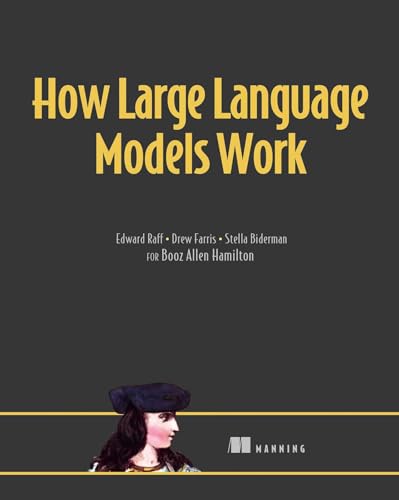
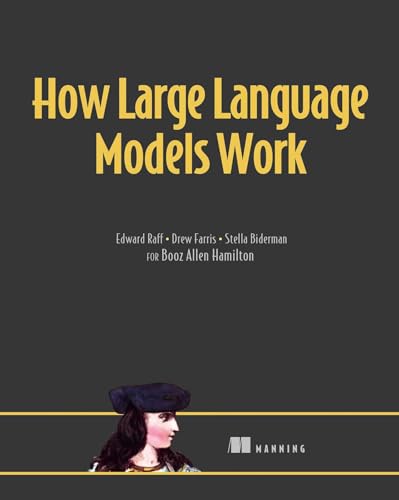
How Large Language Models Work

‘How Large Language Models Work’ is an essential read for anyone interested in understanding the mechanics behind one of the most notable types of foundation models. This book breaks down the intricacies of large language models in an approachable manner, making it suitable for both enthusiasts and professionals. The author dives into the architecture, training techniques, and emerging technologies in the field of NLP, illustrating how these models have transformed text processing. Furthermore, it highlights ethical considerations, empowering readers to think critically about the implications of these technologies. This book is perfect for anyone looking to grasp the foundations of large-scale language models.

Foundation models are at the forefront of AI development, and understanding them is crucial for anyone looking to thrive in this space. The books discussed here offer valuable insights that cater to a range of readers, from novices eager to learn the basics to experienced practitioners ready to deepen their knowledge. As you explore these titles, you’ll be better equipped to harness the power of foundation models in your projects and research.

Recent posts

Recommended Machine Learning Books


Latest machine learning books on Amazon.com


Scroll to Top