Unlocking the Future: The Importance of AI Models

In the rapidly evolving landscape of technology, AI models stand at the forefront of innovation. They are not just abstract concepts; they play a crucial role in how we interact with technology, allowing for advancements in everything from natural language processing to autonomous systems. Understanding these models is essential for anyone looking to dive into the realm of artificial intelligence.

Whether you’re a beginner aiming to grasp the fundamentals or a professional seeking to elevate your understanding, the right resources can catapult your AI journey. This blog post explores several key books that demystify AI models, providing insights that can enhance your professional growth and empower you with the knowledge needed to leverage these innovative technologies.

Generative AI for Beginners: A Comprehensive Guide to Innovative AI Models, Including LLMs and ChatGPT, To Empower Your AI Journey and Boost Your Professional Growth

This book is a brilliant introduction to generative AI models, making it an essential read for beginners. It covers an extensive range of topics, including large language models and ChatGPT, using clear explanations and practical examples. What I found particularly valuable is the author’s ability to break down complex ideas into digestible sections that anyone can grasp, regardless of their technical background. This book serves as a robust foundation for those aspiring to venture deeper into the world of AI, enabling readers to not only understand but effectively utilize AI models to enhance their careers.

Learn Model Context Protocol with Python: Build agentic systems in Python with the new standard for AI capabilities
For those looking to take their coding skills to the next level in the context of AI, this book is a must-read. It introduces the Model Context Protocol thoroughly and demonstrates how to build agentic systems using Python. The author provides practical insights that are crucial for developers and data scientists who wish to integrate advanced AI capabilities into their projects. The examples provided lend themselves to hands-on learning, ensuring that readers can immediately apply what they’ve learned, thereby bridging the gap between theory and practice. The depth of information packed into this book makes it suitable for intermediate to advanced users ready to tackle complex AI implementations.

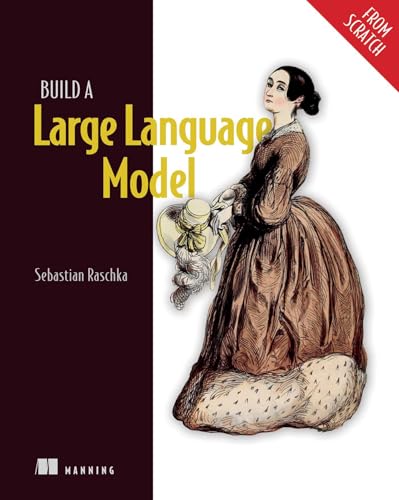
Build a Large Language Model (From Scratch)

If you’re interested in understanding the intricacies of building large language models, this book is an absolute gem. It guides you through the entire process, from architecture design to implementation. The author does a fantastic job of explaining foundational concepts while also providing advanced techniques for seasoned practitioners. The step-by-step instructions are complemented by rich diagrams that make complex ideas more accessible. Ideal for both academic and industry professionals, this book enables readers to gain hands-on experience in creating powerful AI models, giving them the ability to influence the field directly.

The AI Engineering Bible: The Complete and Up-to-Date Guide to Build, Develop and Scale Production Ready AI Systems

This comprehensive guide asserts itself as a vital resource for AI engineers and practitioners alike. What sets this book apart is its thorough examination of the entire lifecycle of AI system development—from conceptualization to deployment. The author’s methodical approach is complemented by real-world case studies, providing invaluable context and practical applicability. This book not only covers technical skills but also delves into system design and scaling, making it an essential read for professionals looking to ensure their AI systems are production-ready. It’s perfect for those who want to understand the engineering behind AI and ensure their projects succeed in the real world.

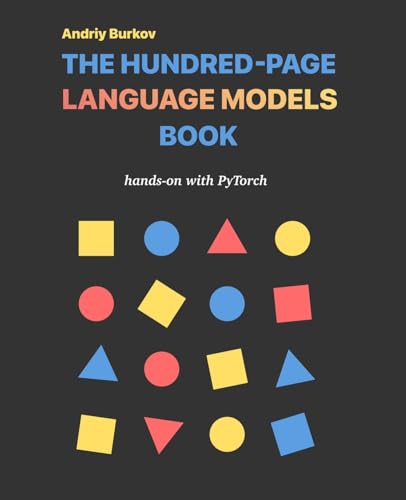
The Hundred-Page Language Models Book: hands-on with PyTorch (The Hundred-Page Books)

This concise yet powerful book teaches readers about language models through practical implementation with PyTorch. The clarity in the writing and the structured format make it easy to follow along, even for those new to the topic. Each chapter builds on the previous one, culminating in an impressive understanding of how to create and manipulate language models. It emphasizes hands-on learning, encouraging readers to engage directly with the material. This book caters perfectly to learners who thrive on practical exercises, making it an excellent addition to any aspiring AI engineer’s library.

In conclusion, understanding AI models is more important than ever in our technology-driven world. The books reviewed here provide valuable insights and practical knowledge that can empower you on your AI journey. Whether you’re starting or looking to reinforce your skills, these resources are sure to provide the knowledge and confidence you need to succeed in the exciting field of artificial intelligence.

Recent posts

Recommended Machine Learning Books


Latest machine learning books on Amazon.com


Scroll to Top