
As the world shifts towards electric vehicles, the concept of battery swapping has emerged as a compelling solution to combat range anxiety and improve the convenience of EV ownership. Battery swapping allows drivers to exchange a depleted battery for a fully charged one in a matter of minutes, significantly reducing downtime compared to traditional charging methods. This innovative approach not only enhances user experience but also holds the potential to revolutionize the logistics of energy consumption in transportation.
The necessity for sustainable transportation has never been greater, and battery swapping plays a critical role in facilitating the transition. With cities grappling with pollution and urban congestion, effective infrastructure for battery swapping can encourage more people to adopt electric vehicles, ultimately leading to a greener planet. In this blog post, we’ll explore essential readings that delve into the intricacies of battery swapping technology and its applications in our everyday lives.

Battery Swapping for Sustainable Transportation

The Electric Aviation Battery Swapping Infrastructure: Power Exchange Systems That Reduce Aircraft Downtime

Battery Swappers & Range Anxiety: The NIO Experiment

Start a Battery Swap Station for Electric Three-Wheelers: A Practical Guide to Building Reliable Infrastructure for Local Electric Fleets

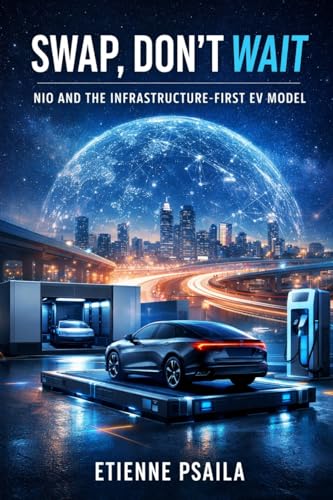
Swap, Don’t Wait: NIO and the Infrastructure-First EV Model
In conclusion, battery swapping is not just a technical solution; it’s a transformative approach that could redefine our relationship with electric vehicles. The books highlighted above provide invaluable insights and practical guidance for those interested in leveraging this technology for a sustainable future. As we continue to innovate in transportation, embracing concepts like battery swapping could make sustainable mobility a reality for everyone.