In today’s rapidly advancing technological landscape, understanding AI workloads is crucial for both developers and decision-makers. These workloads encompass the diverse tasks needed to create, train, and deploy machine learning models, which are foundational to building intelligent applications. As organizations increasingly rely on AI to drive efficiency and innovation, managing these workloads effectively becomes vital.
However, this reliance brings both performance challenges and environmental concerns. Balancing the need for speed and accuracy against sustainability is more important than ever. In this blog post, we’ll explore several insightful books that delve into optimizing AI workloads, ensuring that readers are well-equipped to tackle these challenges head-on.

Optimizing Generative AI Workloads for Sustainability: Balancing Performance and Environmental Impact in Generative AI

Kubernetes for Generative AI Solutions: A complete guide to designing, optimizing, and deploying Generative AI workloads on Kubernetes

GPU Passthrough & AI Workloads on Hypervisors : Run AI, Media, and High-Performance Compute Workloads on Proxmox & KVM Using GPU Passthrough and vGPU

AI Workloads And Hyperscalers: Voracious Energy Grizzlers
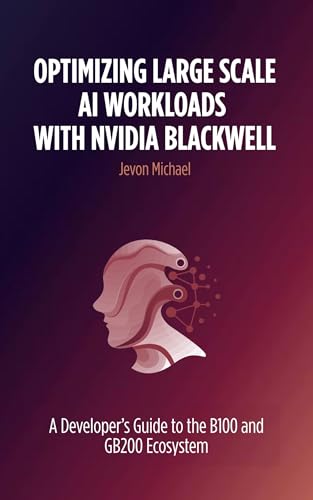
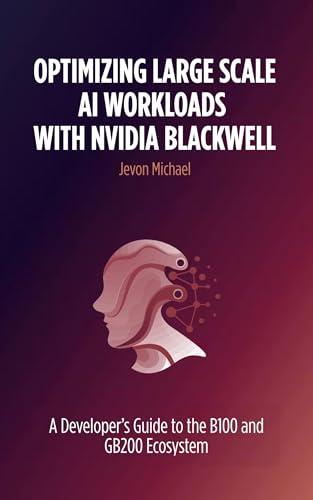
Optimizing Large Scale AI Workloads with NVIDIA Blackwell: A Developer’s Guide to the B100 and GB200 Ecosystem
Ultimately, the world of AI workloads is complex, filled with challenges and opportunities alike. The books we’ve explored today provide valuable knowledge that empowers professionals to harness the full potential of AI technologies while being mindful of sustainability. Whether you’re a developer, an operations manager, or someone interested in the environmental aspects of AI, investing in these resources will undoubtedly enhance your understanding and capability in this dynamic field.