Positron Emission Tomography (PET) is a revolutionary imaging technique that has transformed the field of medical diagnostics and research. By using small amounts of radioactive material, PET scans provide invaluable insights into the functioning of organs and tissues, allowing for early diagnosis and improved treatment options. Understanding the underlying principles and advancements of this technology is crucial for both medical professionals and patients alike.
In this blog post, we will explore several essential books that offer a deep dive into the world of PET. These texts not only elucidate the science behind positron emission tomography but also highlight recent advancements and practical applications, making them indispensable resources for anyone interested in this cutting-edge field.

Evidence-based Positron Emission Tomography: Summary of Recent Meta-analyses on PET
This book offers a comprehensive summary of recent meta-analyses that specifically tackle the outcomes and effectiveness of Positron Emission Tomography in various clinical settings. Its evidence-based approach is particularly beneficial for researchers and healthcare providers aiming to stay updated on the latest findings in the field. The authors meticulously evaluate existing studies, shedding light on how PET can be optimally utilized in diagnostics.
Notably, this compilation of research will suit those who are not only directly involved in imaging but also interested in understanding the broader implications of using PET in patient care. With its focus on real-world applications and outcomes, this volume stands as an essential resource for practitioners dedicated to improving healthcare through the latest scientific insights.

Positron Emission Tomography: Basic Sciences
This foundational text delves into the basic sciences surrounding PET, making it an excellent resource for newcomers to the field. It covers essential topics such as the physics of positron emission, image reconstruction techniques, and the biological aspects of imaging. Whether you are a student, a medical professional, or just someone curious about PET, this book delivers a well-rounded understanding of the principles at play.
Moreover, the clear explanations combined with enlightening illustrations help demystify complex concepts, enabling readers to grasp the intricacies of PET technology comfortably. If you’re looking to build a solid foundation in the science that supports modern medical imaging, this book is an invaluable asset.

Introduction to Positron IDE: The Complete Guide to Next-Generation Tools for Data Science (Japanese Edition)
For those who are venturing into the intersection of PET and data science, this guide introduces the Positron IDE, a cutting-edge tool designed to enhance data analysis in PET imaging. Written in Japanese, this book is tailored for experts and trainees alike who wish to harness advanced data science techniques in their PET research.
What sets this book apart is its focus on practical application, presenting users with step-by-step instructions for utilizing software to streamline PET data analysis. If you’re looking to elevate your skills in applying data science to enhance imaging outcomes, this guide is a must-read.

Positron Emission Tomography: Methods and Protocols (Methods in Molecular Biology)
This specialized resource is tailored for researchers and practitioners who require detailed methodologies concerning PET applications. The book presents protocols that are essential for conducting rigorous PET imaging studies, making it a valuable addition for laboratory settings and clinical research.
Readers will appreciate the attention given to various experimental setups and the clarity in methodological details that ensure reproducibility. This comprehensive guide serves not only as an educational textbook but also as a reference manual to enhance quality in PET protocols and ensure accuracy in results.

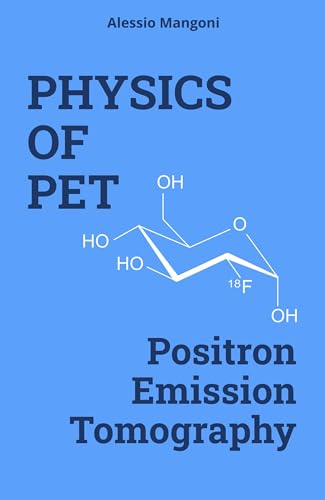
Physics of PET: positron emission tomography
This book dives deep into the physics that underpin PET technology, making it a crucial read for anyone aiming to understand the technical aspects of imaging. Through its focus on principles such as photon detection and geometrical considerations, it dissects the complexities of how PET scans are generated and interpreted.
For physics enthusiasts and professionals alike, this book bridges the gap between theory and application, providing insights into how improved understanding can lead to enhanced diagnostic techniques. Its detailed exploration makes it an essential companion for those involved in PET research and clinical practice.
In summary, the world of Positron Emission Tomography is vast and filled with exciting advancements that continue to shape medical diagnostics. The books reviewed here provide a rich tapestry of knowledge ranging from foundational principles to advanced applications, making them invaluable to students, researchers, and practitioners alike. By diving into these texts, you will not only gain a deeper understanding of PET but also appreciate its critical role in advancing healthcare.