In a world where artificial intelligence can craft text that mimics human writing, the importance of AI writing detection grows exponentially. As students and professionals turn to AI tools for assistance, educators and employers alike must grapple with the challenge of ensuring authenticity and originality in written work. AI writing detection isn’t just about catching cheats; it’s about upholding the integrity of learning and communication.
This blog post explores key literature that delves into AI writing detection, offering insights that are crucial for anyone involved in writing—whether you’re a student, teacher, or professional. Grasping the nuances of these tools empowers us to better navigate the blurry lines between human and machine-generated content.

Writing with ChatGPT : Bypassing AI detection Free of Costs

The Ultimate Guide to Plagiarism Checkers and AI Detection Tools: How to Identify Similarity, Avoid Copying, and Write with Integrity (AI for Academic Research)

Operation De-Robotify: The Complete Guide to Humanizing AI Writing

Manual Detection of AI-Generated Writing: Detecting LLM Usage in Essays, Papers, and Professional Work: A Guide

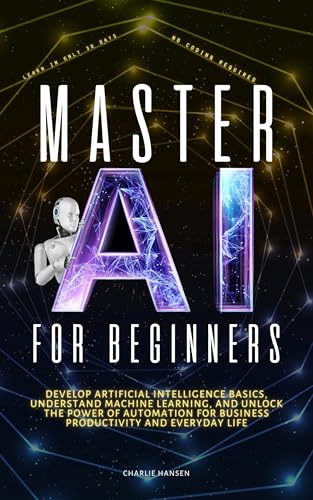
Master AI for Beginners: Develop Artificial Intelligence Basics, Understand Machine Learning, and Unlock the Power of Automation for Business Productivity, and Everyday Life
AI writing detection is crucial in preserving authenticity in the age of AI. The books reviewed in this post provide a solid foundation for understanding both the capabilities of AI and the tools available for detection. Whether you are a writer, educator, or just someone interested in the topic, these insights will equip you to tackle the challenges posed by AI in a thoughtful and productive way.