In today’s fast-paced digital landscape, the ability to seamlessly integrate various modes of communication—especially voice—is more critical than ever. Voice orchestration is not just about managing multiple voice inputs; it involves the complex task of ensuring these elements work in harmony to enhance user experience. As businesses and developers strive for more intuitive systems, understanding the principles behind voice orchestration can transform how we interact with technology.
From AI systems capable of interpreting spoken commands to sophisticated telephony solutions, the exploration of voice orchestration offers valuable insights into the future of multimodal communication. This post aims to highlight essential literature on the subject, providing you with the tools and knowledge to delve into the world of voice orchestration.

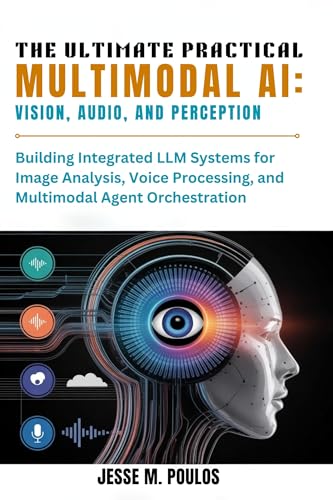
THE ULTIMATE PRACTICAL MULTIMODAL AI: VISION, AUDIO, AND PERCEPTION: Building Integrated LLM Systems for Image Analysis, Voice Processing, and Multimodal Agent Orchestration

Principles of Orchestration (Dover Books On Music: Analysis)

The Guide To MIDI Orchestration
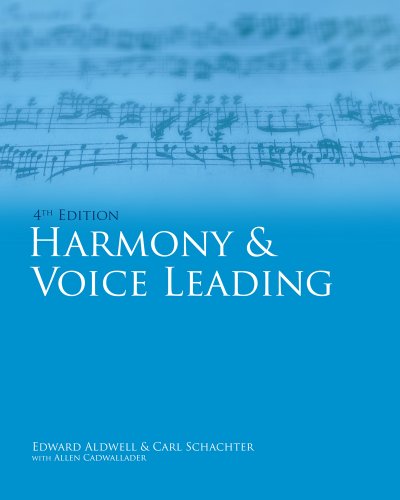
Harmony and Voice Leading

VoIP Systems: Production Deployment and Orchestration
Voice orchestration is a fascinating and crucial aspect of modern communication technology. The books highlighted in this post provide a spectrum of knowledge that can benefit a wide range of readers—from musicians to technical professionals. Embracing the principles of voice orchestration can significantly enhance our interaction with technology and pave the way for more intuitive communication systems.