The digital age has ushered in not only unprecedented opportunities but also significant threats, with cyberespionage standing out as a major concern for governments and corporations alike. Understanding this clandestine field is essential for anyone looking to navigate today’s interconnected landscape, where sensitive information is often just a click away from falling into the wrong hands.
From data breaches to high-stakes cyberattacks, cyberespionage affects national security, corporate integrity, and even individual privacy. In this blog post, we delve into some of the best books on the topic, offering insights that will not only illuminate the mechanisms of cyberespionage but also prepare you to recognize and counter these threats.
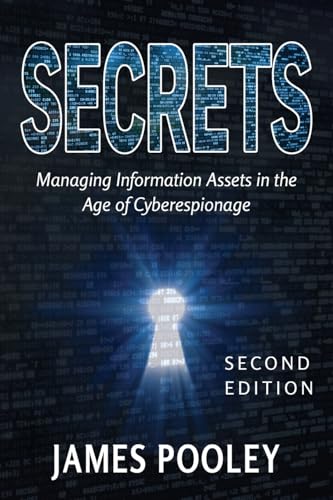
Secrets: Managing Information Assets in the Age of Cyberespionage
This comprehensive guide dives into the complex world of information management in the context of cyberespionage. The author meticulously explains how organizations can better protect their data assets against espionage threats lurking in the digital landscape. With real-world examples and strategic insights, the book serves as a crucial resource for IT managers and cybersecurity professionals looking to fortify their defenses.
One of the unique features of this book is its focus on practical steps organizations can implement to safeguard their information. It covers everything from risk assessment to employee training, making it invaluable for those at all levels of cybersecurity management.
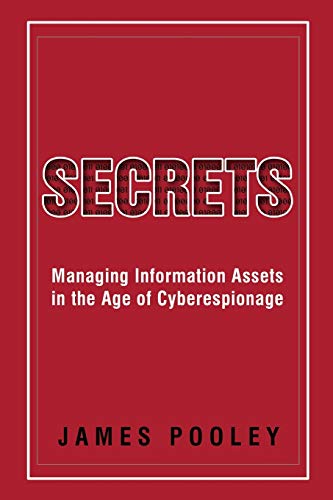
SECRETS: Managing Information Assets in the Age of Cyberespionage
Similar to its counterpart, this book addresses the very timely issue of managing information in an era where cyberespionage is prevalent. It emphasizes the strategic importance of protecting intellectual property and confidential information against a backdrop of increasing cyber threats. The author enriches the text with case studies that provide a concrete understanding of the subject matter.
This book is especially beneficial for corporate leaders and decision-makers. It provides insights on creating a culture of information security within organizations, essential for anyone responsible for safeguarding valuable data.

China And Its Embrace of Offensive Cyberespionage (De Gruyter Contemporary Social Sciences, 54)
This analytical book explores China’s approach to cyberespionage, delving into its strategic implementation and the implications for global security. The author discusses how China has adopted offensive cyber capabilities and what this means for international relations. The depth of research provides a nuanced perspective, making it an important read for those interested in geopolitical dynamics.
Scholars, policymakers, and security analysts will find this book particularly enlightening, as it not only outlines China’s tactics but also anticipates future trends in cyber warfare. It underscores why understanding state-sponsored cyberespionage is crucial for global security discourse.

Cyberespionage 2010: Is the Current Status of Espionage Under International Law Applicable in Cyberspace?
This book takes a critical look at the legal framework surrounding cyberespionage. Written from a legal perspective, it discusses the challenges that arise in applying traditional espionage laws to the cyber realm. It raises pertinent questions about the legality of state-sponsored cyber activities and how they intersect with international law.
Legal scholars and practitioners in cybersecurity law will find this book indispensable, as it does not only address existing laws but also highlights gaps that need to be addressed in the digital age. By understanding these legal intricacies, readers can better advocate for effective regulations against cyber threats.

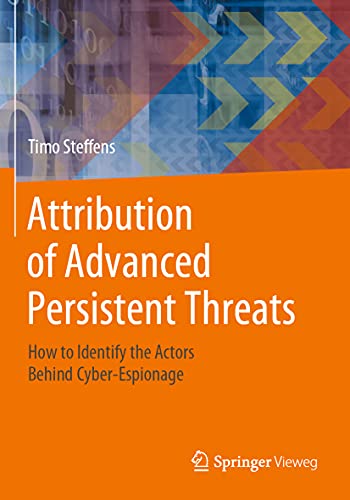
Attribution of Advanced Persistent Threats: How to Identify the Actors Behind Cyber-Espionage
This book delves into the complex issue of threat attribution in cyberespionage, a critical topic as identifying perpetrators is key to preventing further attacks. The author unpacks various methodologies and technologies used in attribution, detailing the challenges and nuances involved.
Cybersecurity professionals and analysts will find this resource invaluable for understanding how to connect the dots between cyberattacks and their sources. It equips readers with practical approaches to enhancing their threat detection capabilities, making it a must-read for anyone in the cybersecurity field.
Cyberespionage remains a rapidly evolving threat that requires vigilance and education. The books listed above not only provide essential knowledge about the strategies and implications of cyberespionage but also emphasize the importance of robust information management and legal frameworks. By engaging with these texts, you will be better equipped to understand and combat the challenges posed by digital espionage in our increasingly digital world.